

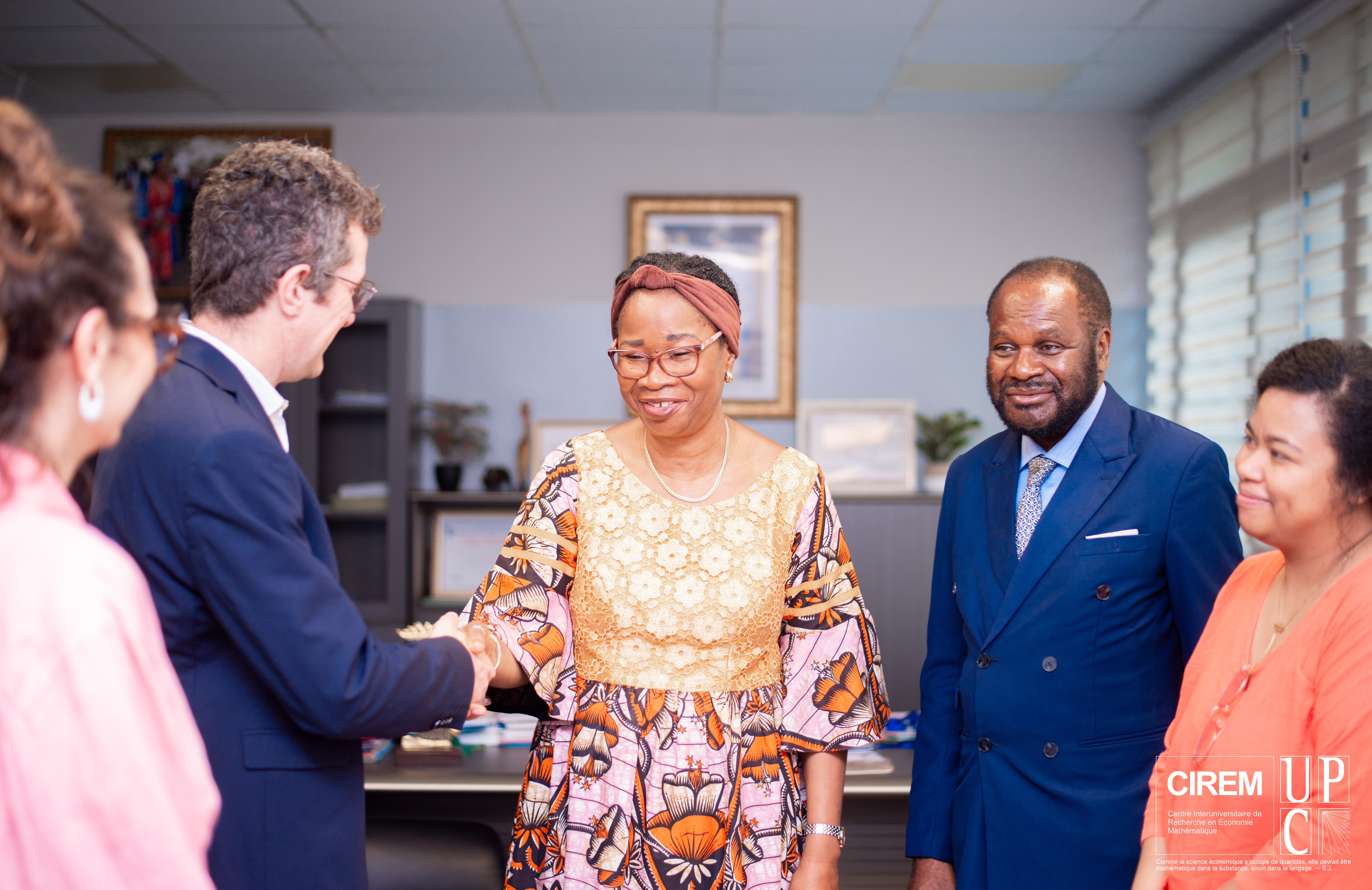
The National Pedagogical University (UPN) of the Democratic Republic of the Congo and the Foundation for Studies and Research on International Development (Ferdi) signed a partnership agreement on 24 September 2025 in Clermont-Ferrand, France.
This partnership aims to foster research and academic training in international development, with a particular focus on the Great Lakes region and the Democratic Republic of the Congo.
It is designed to support capacity-building initiatives for UPN researchers as well as senior officials within the Congolese public administration.
The initiative also underscores the importance of international cooperation—particularly with the GDN, in strengthening research systems in developing countries and enhancing their role in informing public policy and decision-making.
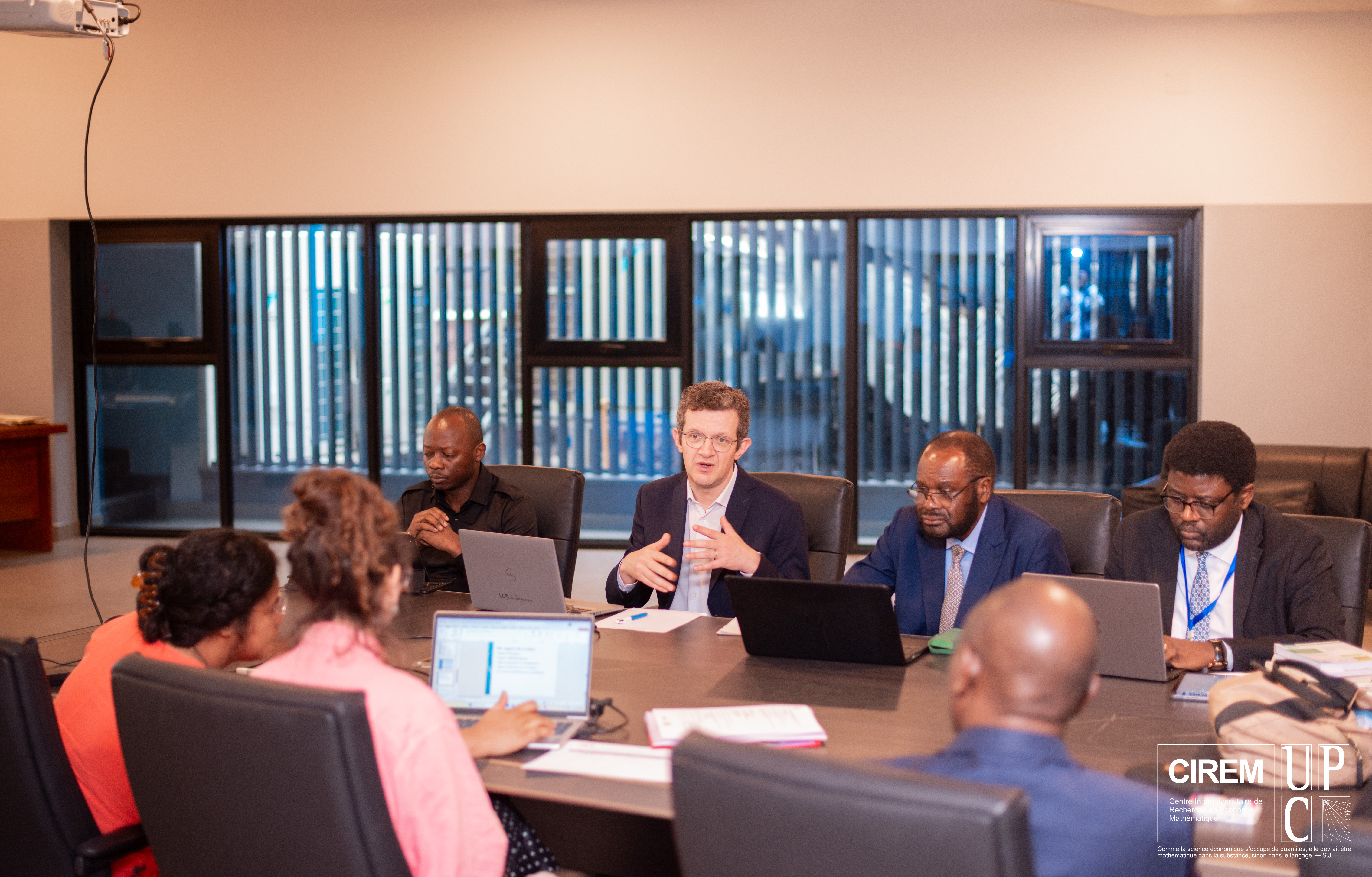
At the heart of the mission, two days of discussions and training organised by IHEDD-Ferdi (21–22 April) focused on the theme:
“Research in the service of public decision-making: building bridges between knowledge and action.”
These sessions brought together researchers, government representatives, and civil society actors, with the aim of:
Through interactive workshops, participants developed methodological responses to public policy challenges, drawing in particular on feedback from Ferdi.
This work also benefited from contributions by Claude Sumata (UPN) and Idah Razafindrakoto (GDN), who shared additional insights based on their experience.
On 23 April, the programme continued at UPN with a session dedicated to presentations and discussions of the work of six PhD students and early-career researchers.
Each presentation was followed by in-depth discussions with a panel of discussants comprising:
in the presence of the PhD supervisors.
This session helped strengthen young researchers’ ability to present their work and engage in scientific dialogue, while also encouraging their integration into international academic networks.
DAY 1
Morning
Session 1 – Opening remarks and icebreaker activity (1h00)
Session 2 – Understanding scientific production and knowledge dissemination within research systems in the Democratic Republic of the Congo (2h00)
• Group reflection workshop (0h45):
- 2 groups identified the strengths and weaknesses of research production in the DRC
- 2 groups identified the strengths and weaknesses of research dissemination in the DRC
- 2 groups identified the strengths and weaknesses of research use in the DRC
• Plenary restitution and collective discussion (1h15)
The session was facilitated by the Global Development Network.
Afternoon
Session 3 – Understanding the logics of public decision-making (3h00)
• Presentation of guidelines and introduction to key issues based on Ferdi’s experience with maritime transport taxation (0h30)
• Group work (1h00): each group identified a national, regional or international policy area open to scientific expertise, specifying the issue, expectations, constraints, and possible decision timeline
• Plenary restitution and collective discussion (1h00)
The session was co-facilitated by Ferdi and UPN.
DAY 2
Session 4 – Producing research oriented toward public action (3h00)
• Presentation of guidelines and introduction to key issues based on Ferdi’s experience with maritime transport taxation (0h30)
• Group work (1h30): each group worked on a policy challenge formulated by another group and developed a methodological/operational response, specifying:
i) stakeholders to involve (type, discipline, etc.)
ii) data collection and analysis methods
iii) key contextual elements (and sources)
iv) main policy recommendations
• Plenary restitution and collective discussion (1h00): each group presented its response, highlighting challenges encountered (e.g. lack of data, disagreements, etc.)
The session was co-facilitated by Ferdi and UPN.
During the plenary discussion, the “originating” group of each policy challenge assessed the response in relation to the initial request.
Session 5 – Valorising and disseminating research results (3h00)
• Presentation of guidelines and introduction to key issues based on Ferdi’s experience with maritime transport taxation (0h30)
• Group work (1h30): each group worked on a communication strategy based on another group’s methodological/operational response, specifying objectives, target audiences, formats, key messages, and framing for each audience
• Plenary restitution and collective discussion (1h00)
The session was co-facilitated by Ferdi and UPN.